
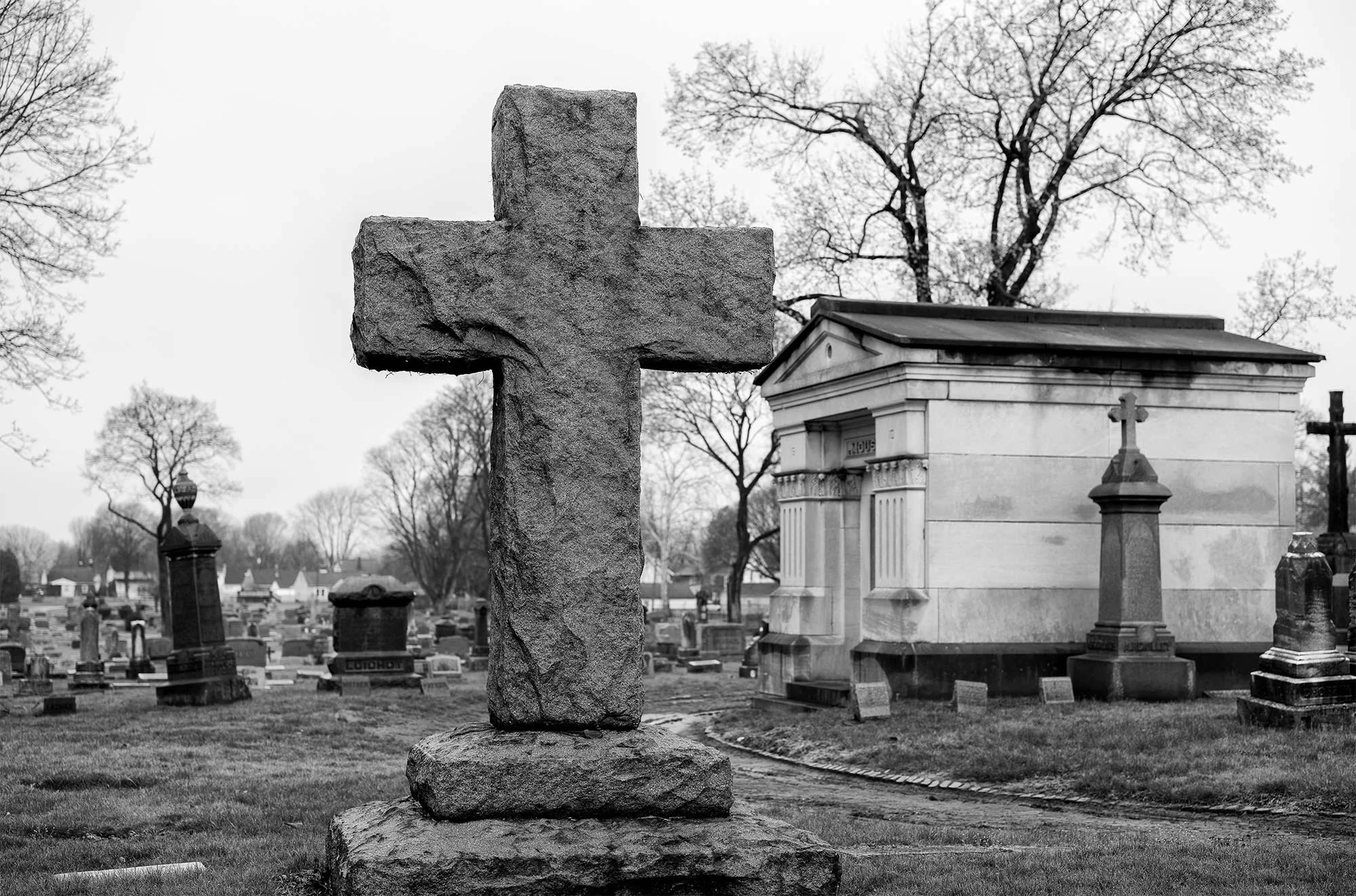
The Iron and Stone of St. John’s
"Black and white photography of St. John’s Cemetery Canton Ohio
A Leica 50mm APO Study of Canton’s Oldest Catholic Parish
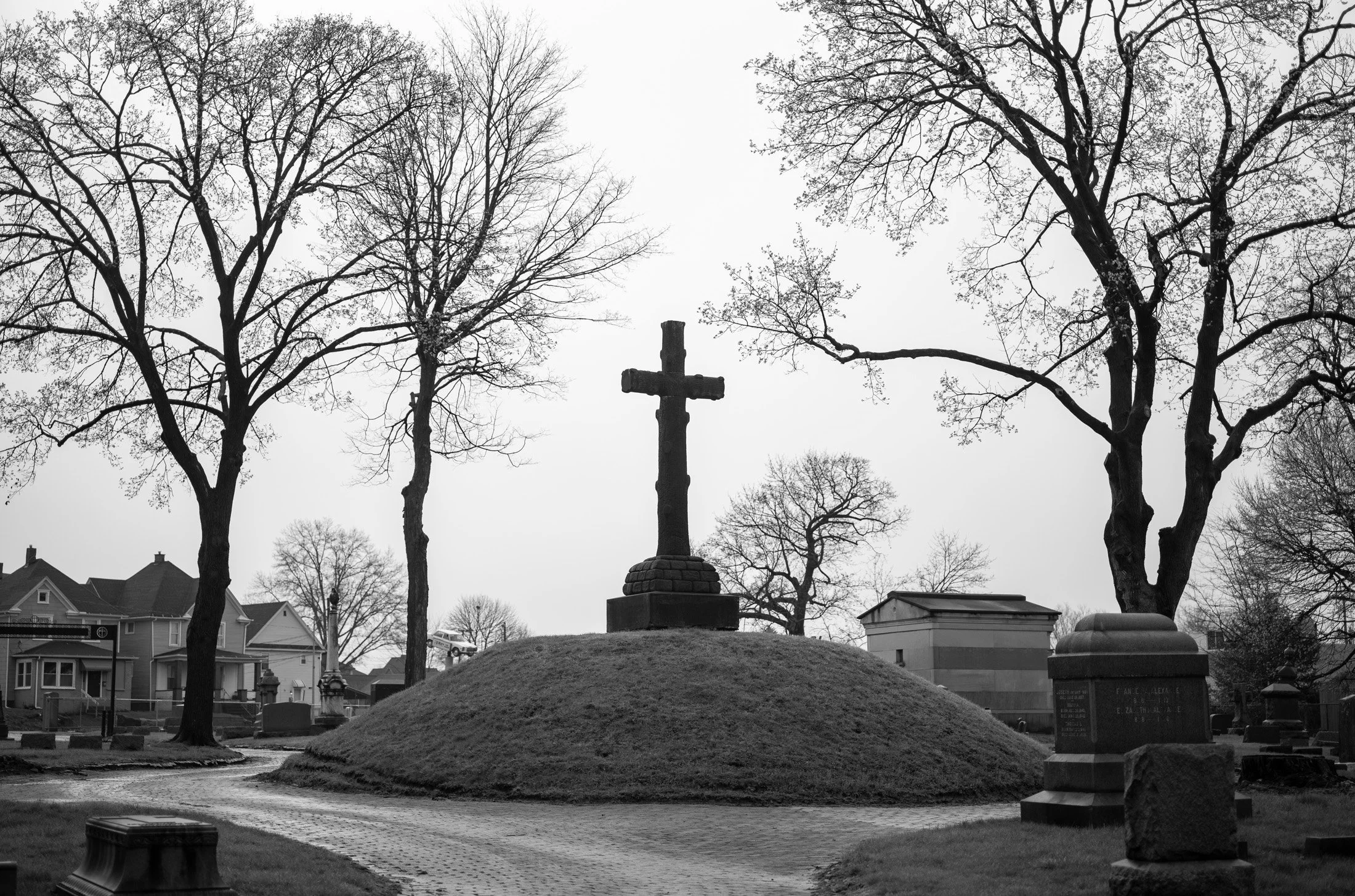
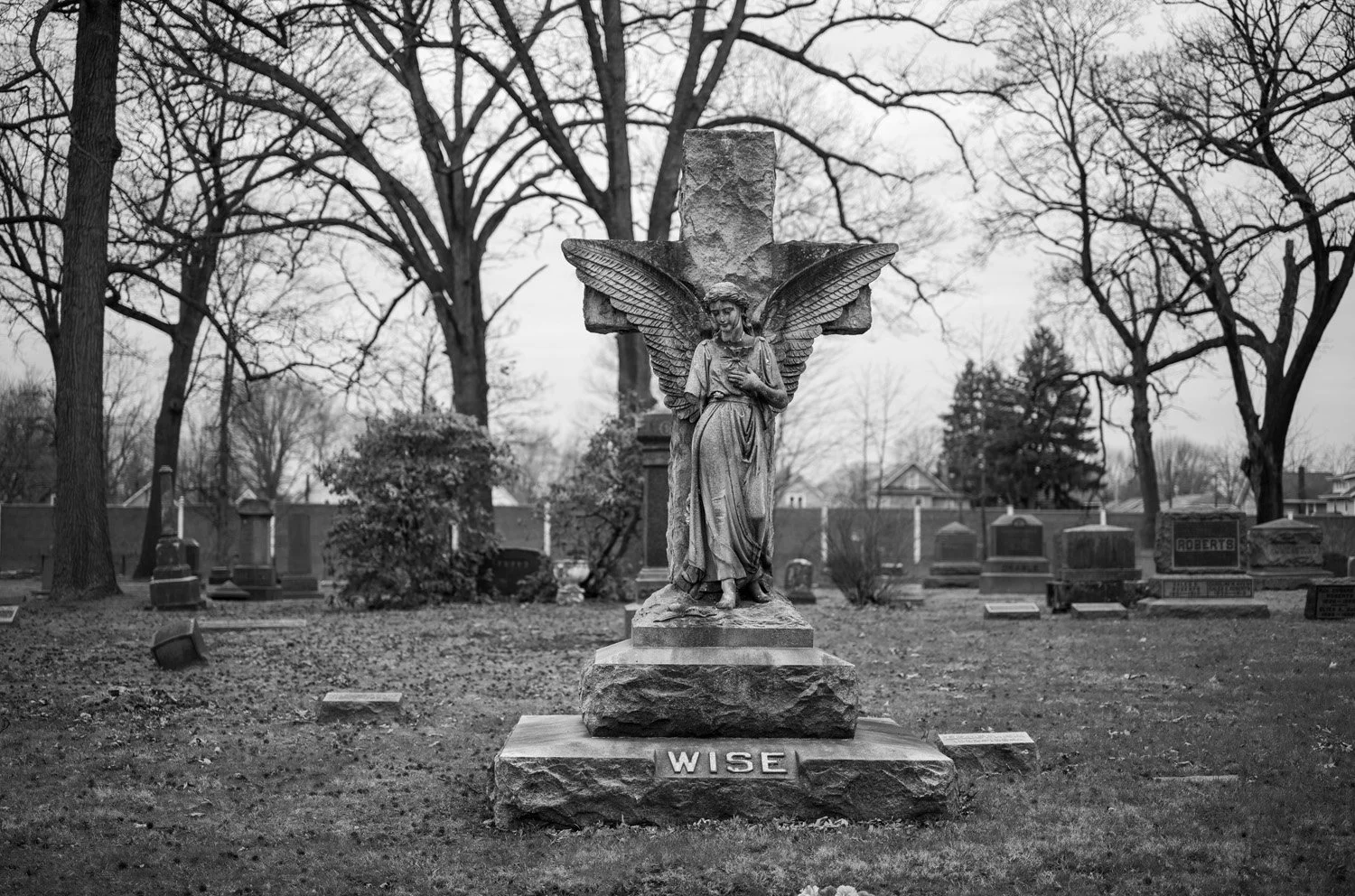
A black and white landscape of the central crucifix mound at St. John’s Cemetery in Canton, Ohio, captured with a Leica 50mm APO.
There is a specific weight to the air at St. John’s Cemetery on Walden Avenue. Established in 1823 as the final resting place for the Basilica of Saint John the Baptist, it is a quiet island of memory tucked into the heart of Canton. For this installment of my Silent Cities series, I wanted to strip away the modern world and focus on the raw, enduring textures of our city’s pioneers.
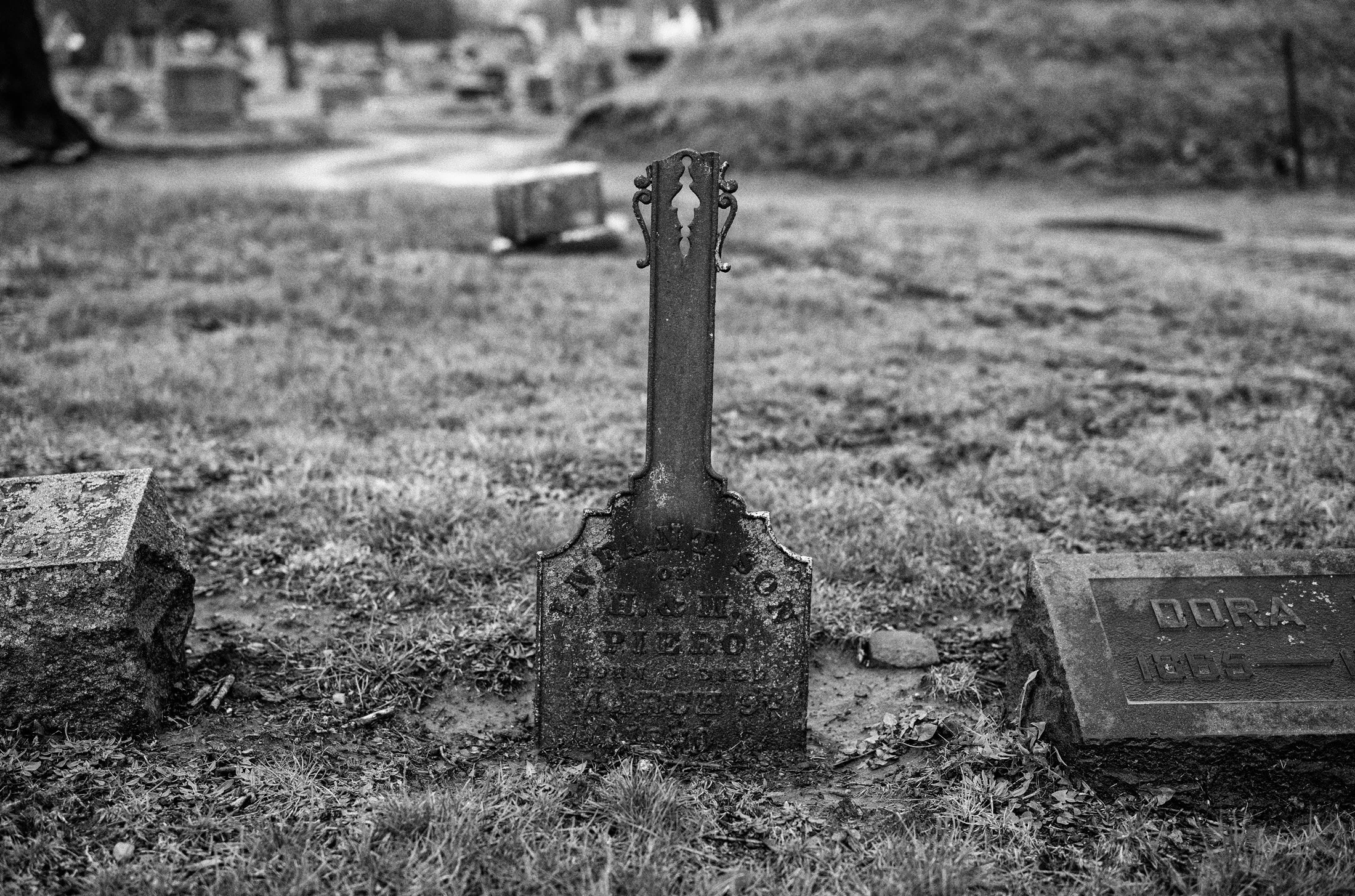
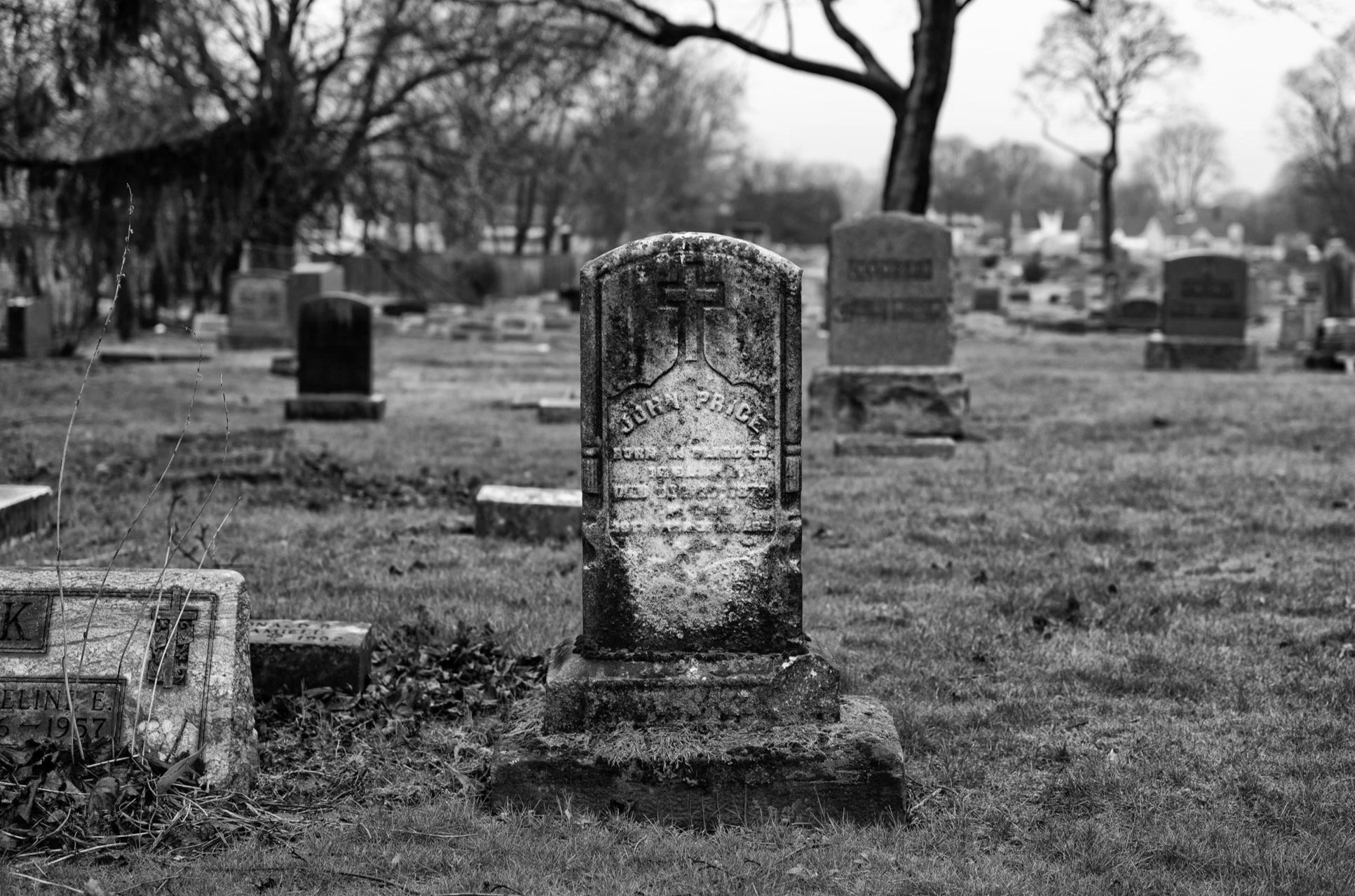
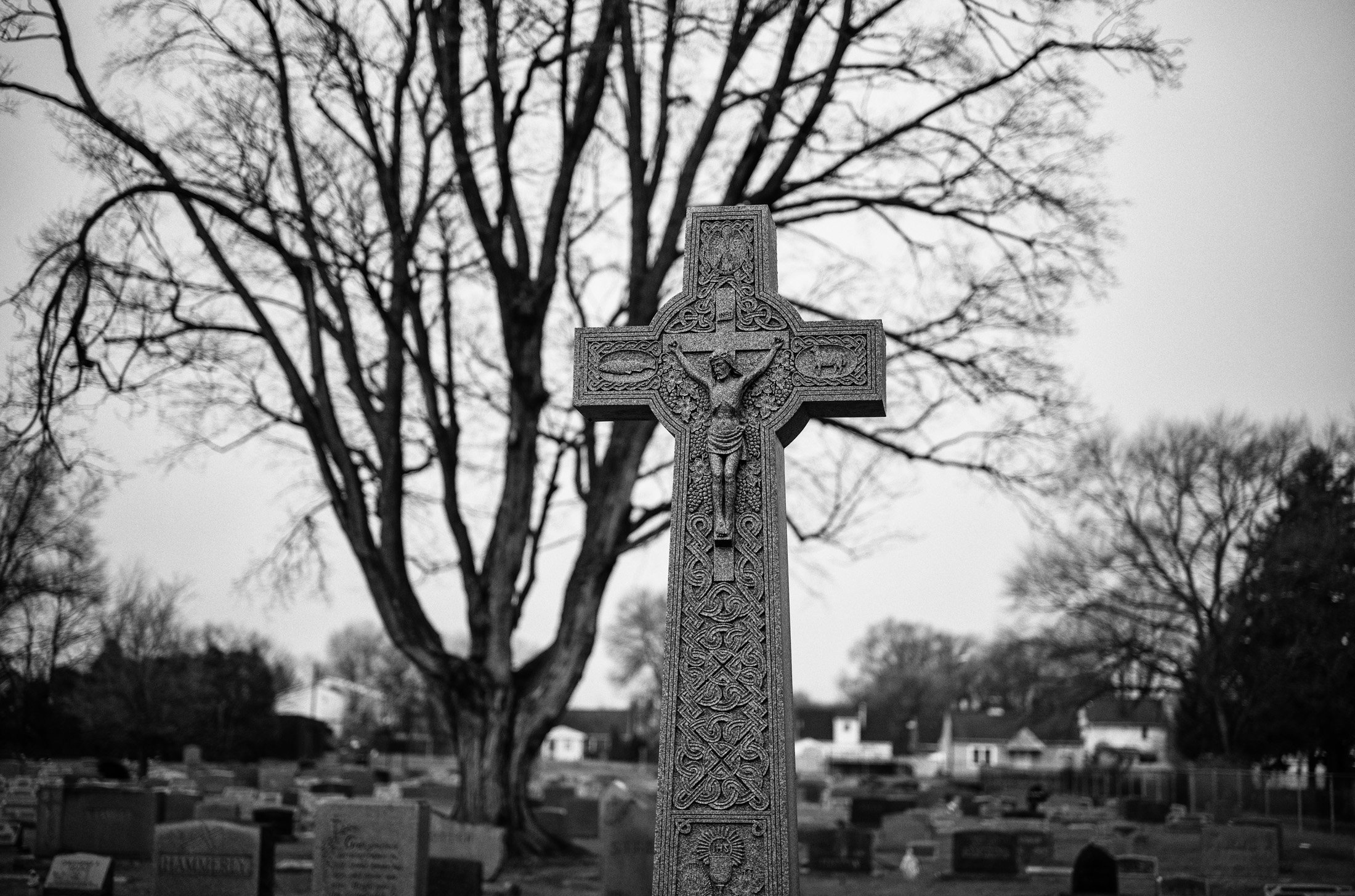
The walk through St. John’s is a walk through generations. From the towering Celtic High Crosses that speak to the Irish immigrants who served in the 8th Ohio Volunteer Infantry, to the rare, sharp geometry of the Piero family's cast-iron marker, the diversity of craftsmanship is staggering.
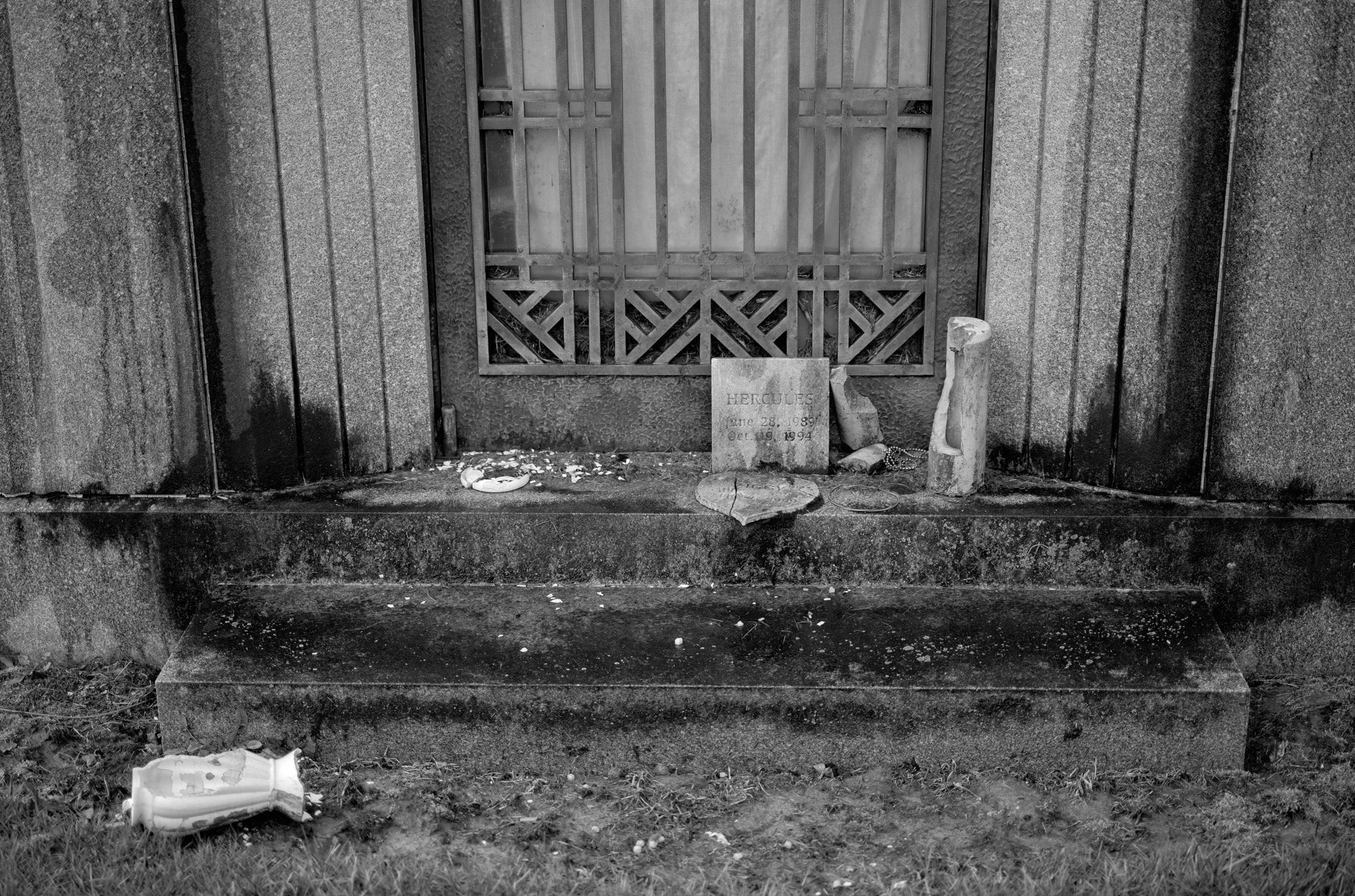
While the grand monuments like the central crucifix atop the mound (pictured) command the horizon, it’s the intimate details that hold the most weight. The fragile, broken porcelain at the Hercules memorial serves as a poignant reminder that while stone and iron endure, the act of remembrance is often delicate and deeply personal.
In monochrome, the distractions of the 21st century fade. We are left with the grit, the grace, and the silent stories of the oldest Catholic parish in northeastern Ohio.
Hercules Monument
Every "Silent City" has two faces: the grand, historic monuments that speak to the collective past, and the small, fragile tokens that speak to individual loss. At St. John’s Cemetery, these layers exist side by side. While exploring the grounds, my eye was drawn away from the towering Celtic crosses to the base of a weathered mausoleum. There, I found the memorial for Hercules.
In photography, we often look for the "perfect" subject, but there is an undeniable beauty in the imperfect. The shattered porcelain and the small, cracked heart-shaped stone resting on the steps tell a story of a visit made, a tribute left, and the slow, inevitable wear of time. It’s a stark contrast to the iron-sharp lines of the Piero family marker or the stoic endurance of John Price.
This is the reality of St. John’s—a place established in 1823 that continues to hold the stories of Canton’s families today. It reminds us that while the history of the 8th Ohio Volunteer Infantry or the pioneering Shorb family provides the foundation, it is these smaller, personal echoes that keep a cemetery "alive."
Celtic Cross
"The Silent Narrative of West Lawn"
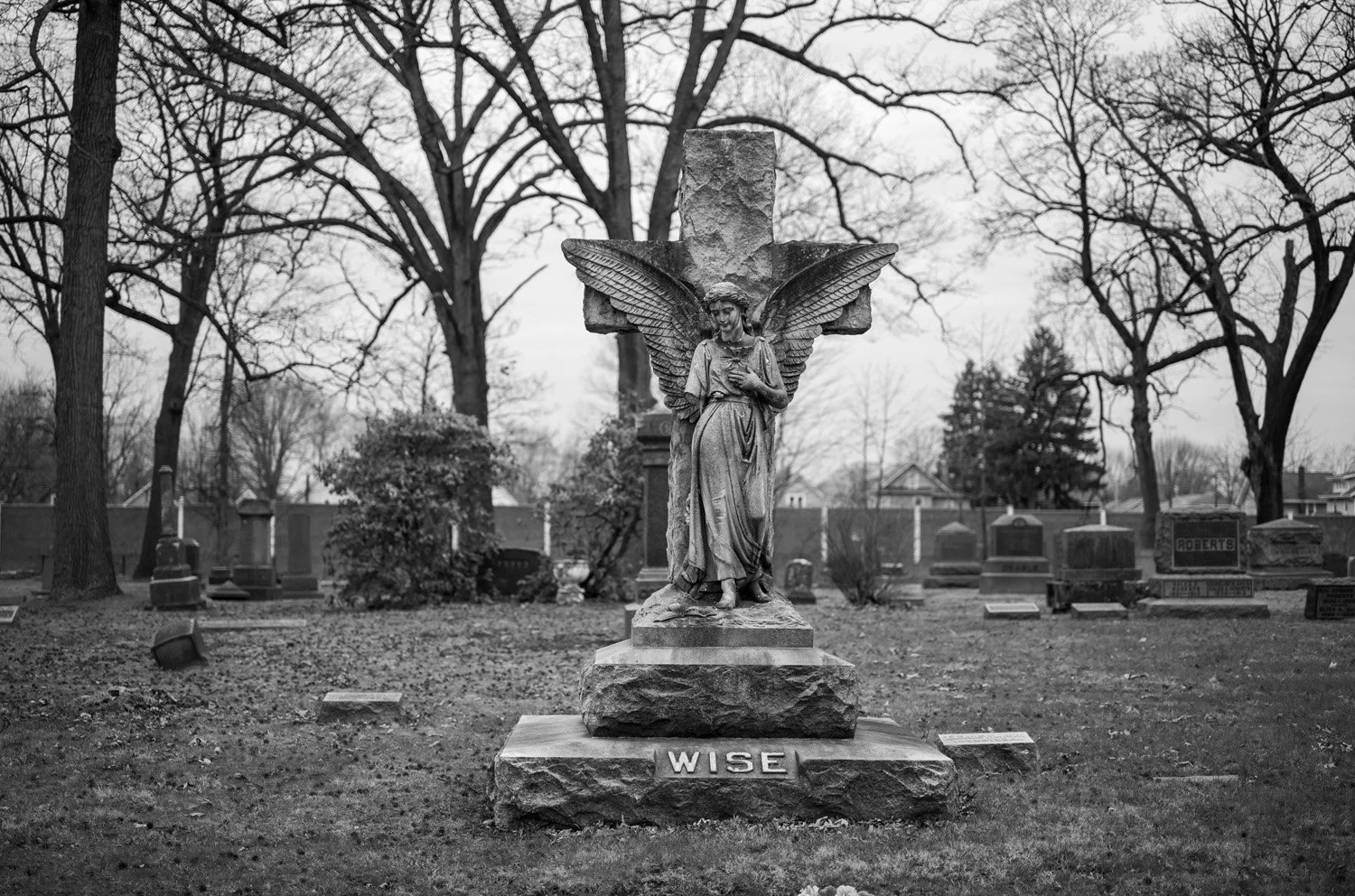
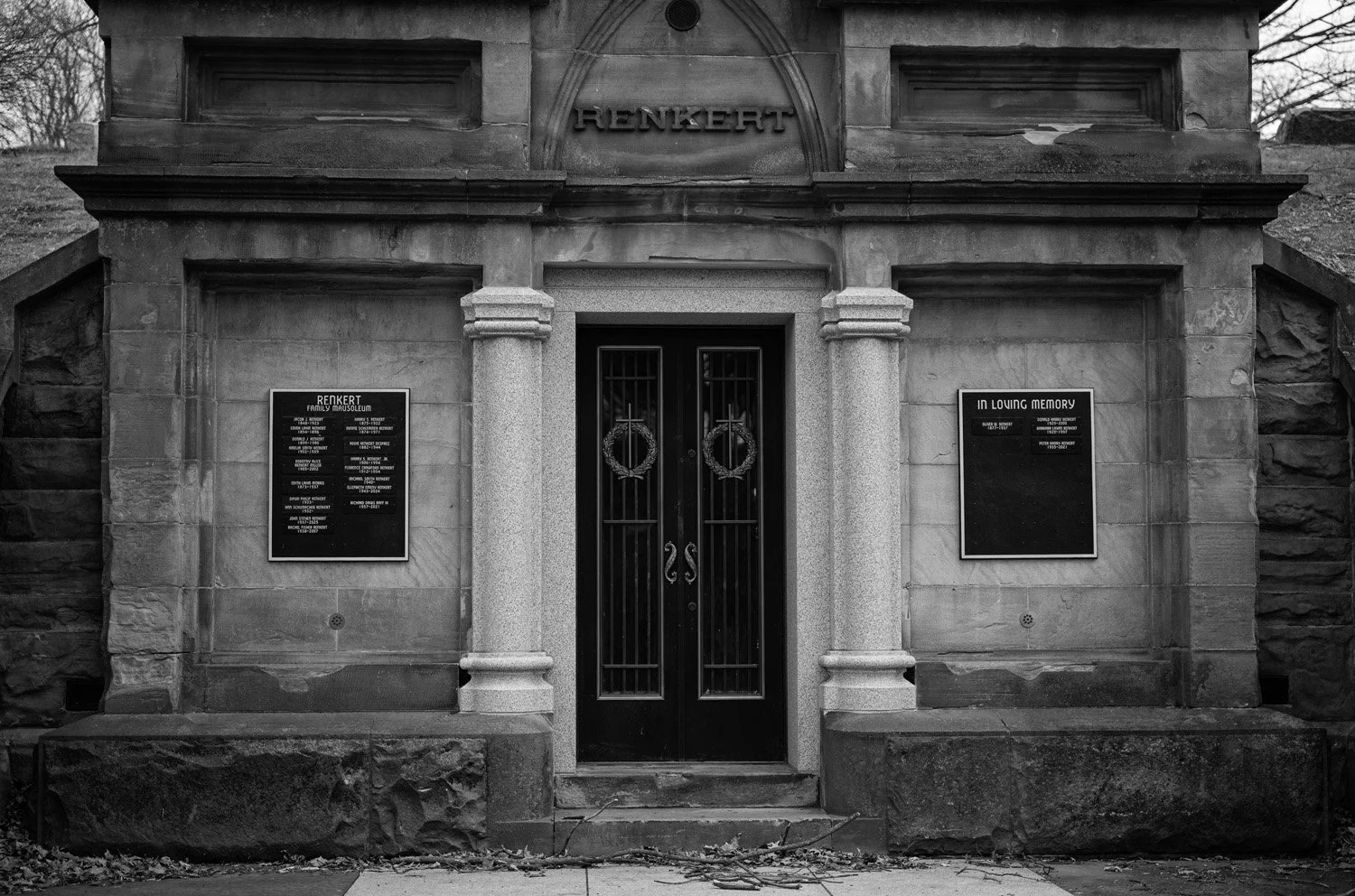
In the heart of Canton, West Lawn Cemetery stands as more than just a resting place; it is a permanent archive of the people who built this city. From the industrial legacies of names like Aultman, Harter, and Renkert to the quiet, unnamed watchers in stone, these grounds hold a narrative that often goes unheard in the rush of modern life.
Renkert Family Mausoleum
This ongoing series, captured for the Joe Albert Signature Series, is a study in texture, light, and legacy. Using the Leica 50mm f/2 APO-Summicron-M, I’ve focused on the "bite" of the weathered granite and the soft, respectful isolation of these monuments. By working primarily in Black and White, we strip away the distractions of the present to find the timeless integrity of the past.
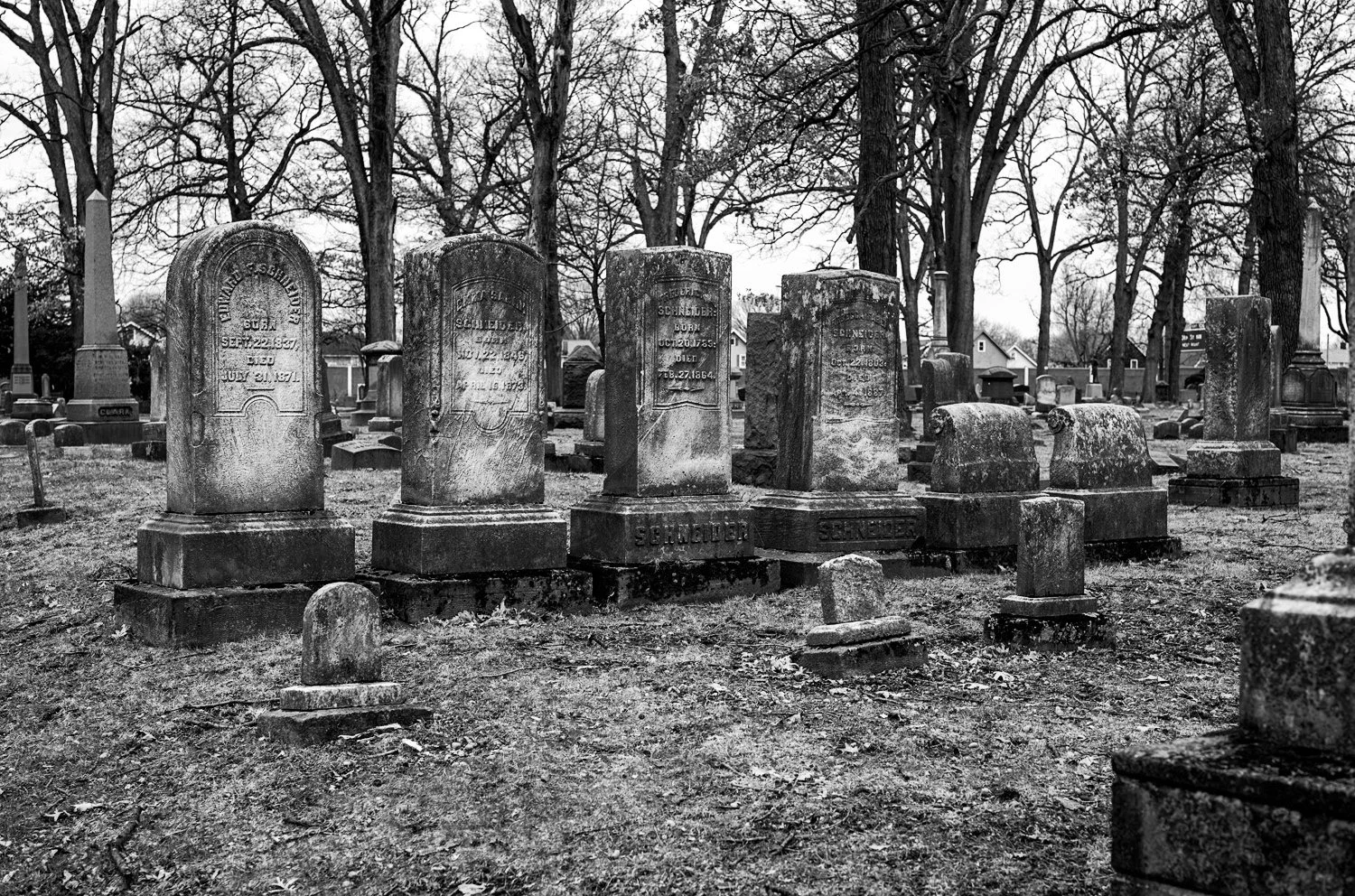
Whether it’s the imposing architecture of a family mausoleum or a simple, moss-covered veteran’s marker, each frame is an act of preservation. This project is about honoring the craftsmanship of those who carved these stones and the history of those who rest beneath them. It is an exploration of how we choose to be remembered—and how that memory evolves over centuries of Ohio winters.
Finding Silence: A Leica Study of the Lost and Forgotten (Rowland Cemetery)
Finding Silence: A Leica Study of the Lost and Forgotten (Rowland Cemetery)
Finding Silence: A Leica Study of the Lost and Forgotten
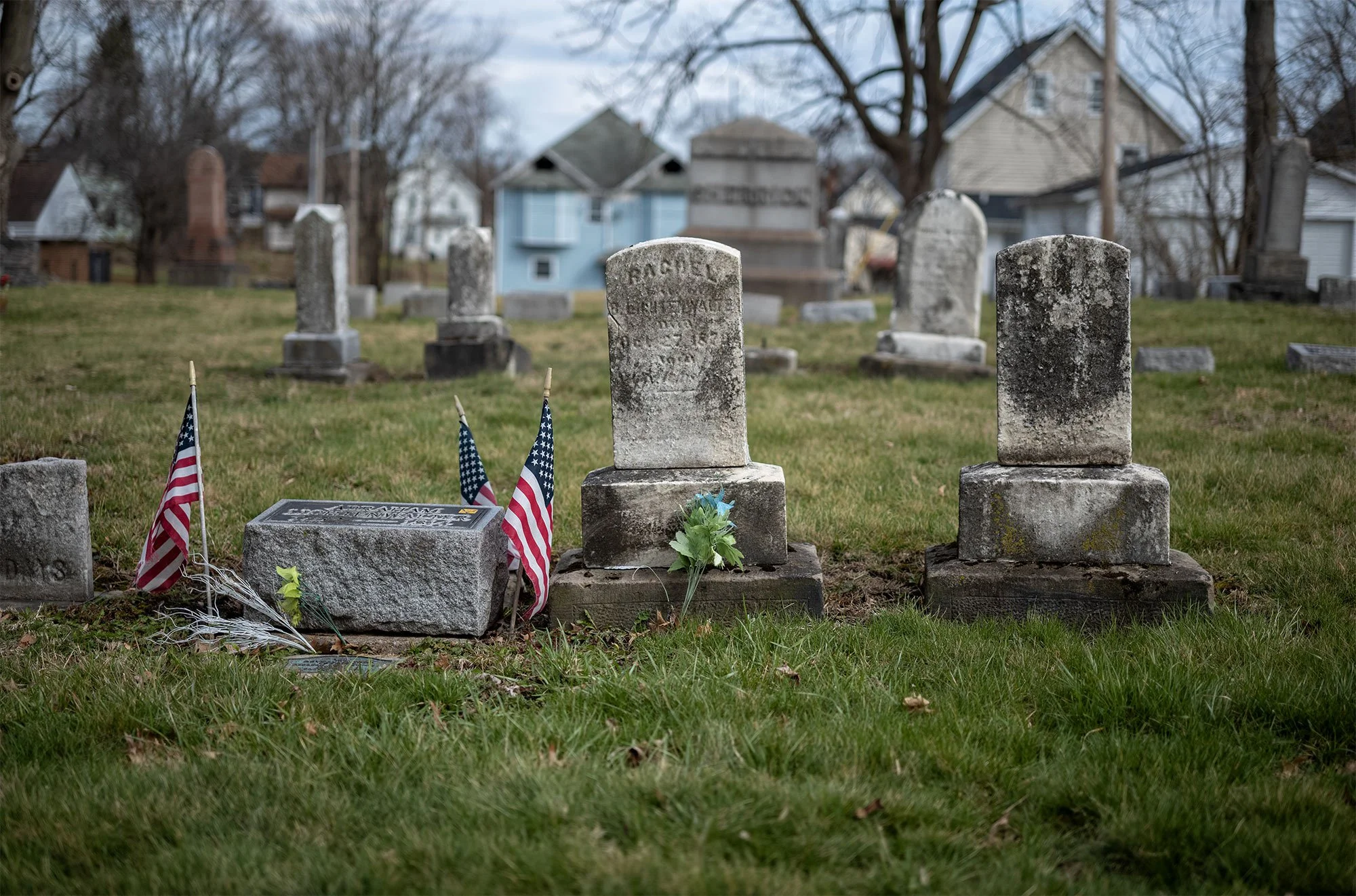
This past week, I visited Rowland Cemetery, not for a commission, but for a deeply personal pilgrimage. I was searching for someone I never met—my aunt, who was buried there at just two years old. Like many of the older stones in this quiet corner, her grave is unmarked. We don't know exactly where she is. This photograph captures the essence of that search—a singular, weathered marker standing as a quiet testament to a life that once was.
Passed away in the 1800’s
The detail in this shot, captured on my Leica M10-R, is a reflection of my experience. The mossy texture of the stone, the soft, respectful fall-off in the background—it all speaks to the dignity that remains, even as nature takes its course. I am grateful to the volunteers who dedicate their time to maintaining this sacred space, ensuring that these forgotten stories are not completely erased.
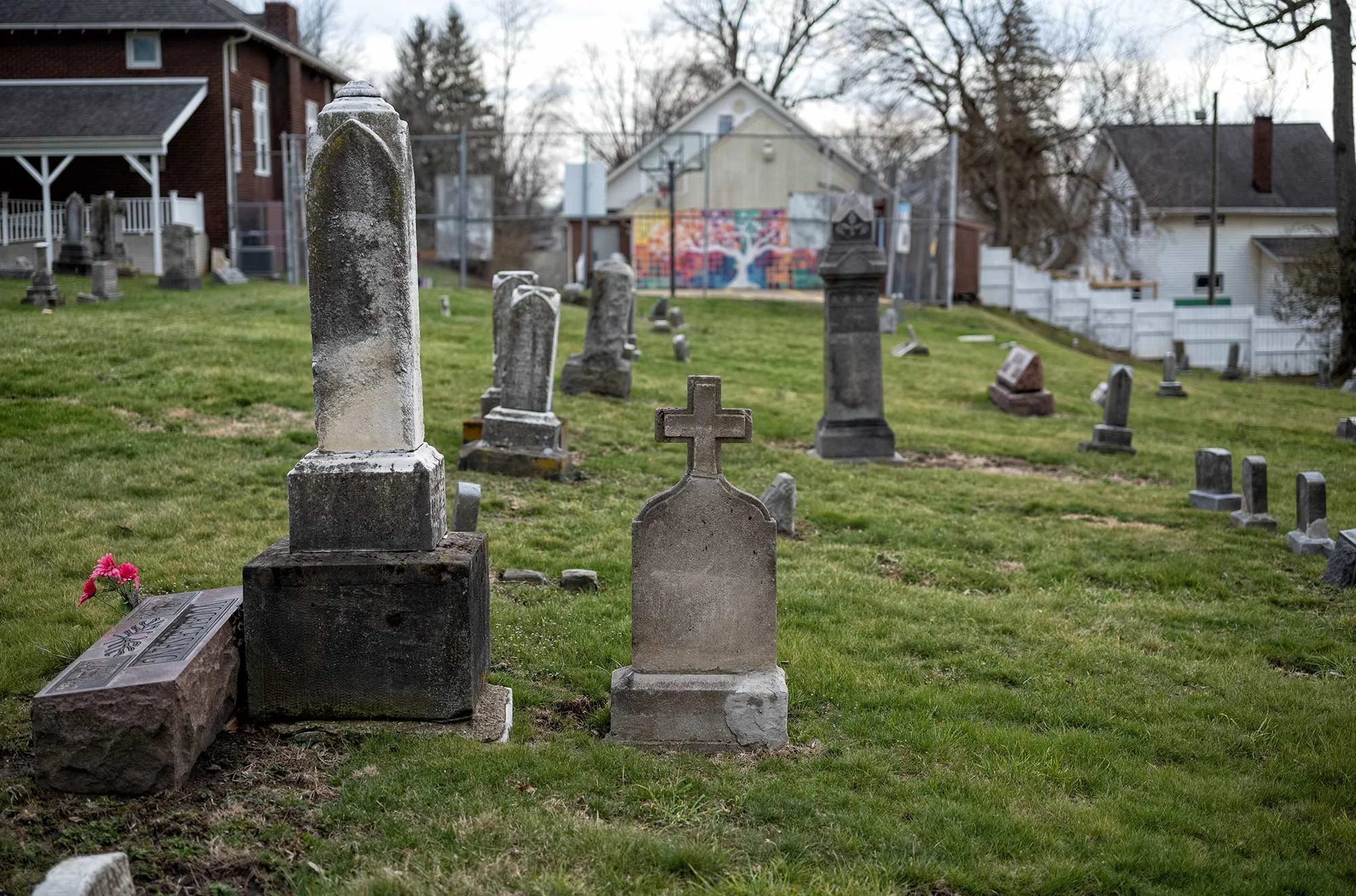
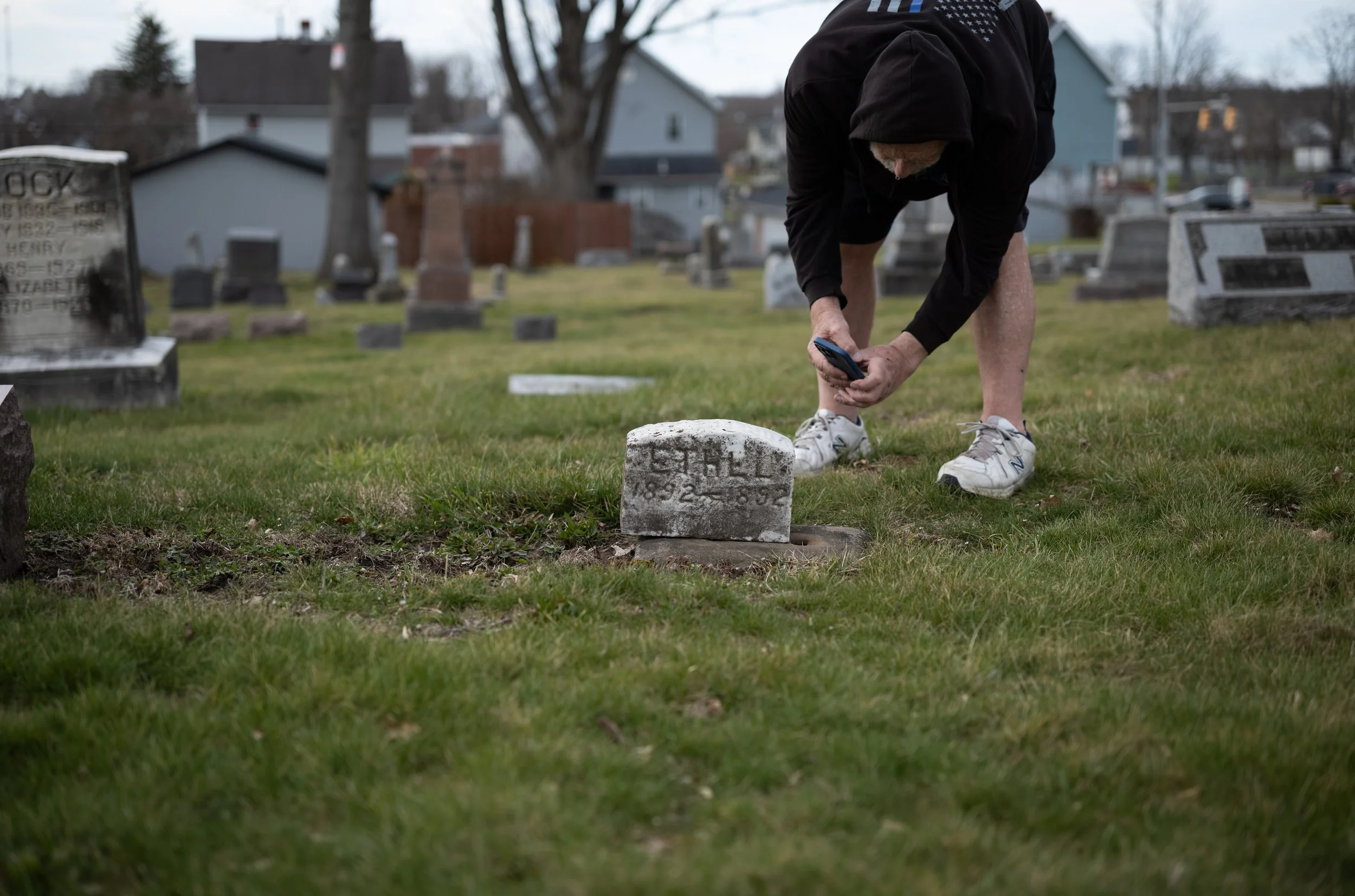
My Brother capturing some old graves with his phone
My 'Signature Series' is about capturing the enduring spirit of a moment. This visit to Rowland Cemetery was a reminder that even the quietest, most unmaintained places have a story to tell. It's my honor to document them.